
 Cn
 En
 WeChat ID:


The current position:Home > Information dynamic
> Industry Trends
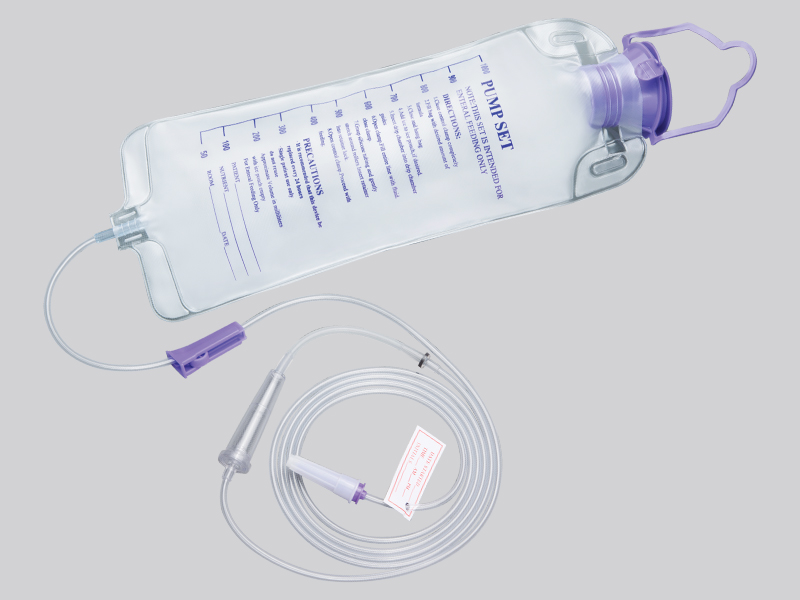
Single-use Feeding Bag (TPU), Disposable Medical Consumables for Enteral Nutrition Infusion
source:www.cnboyi.net | Release time:2026年10月22日In clinical nutritional support, patients unable to take food orally require nutritional supplementation via enteral feeding. Enteral nutrition preparations such as liquid nutrient formulas and homogenized diets need to be continuously delivered into the patient’s body through infusion devices. Feeding bags are supporting consumables in the enteral nutrition infusion process. Conventional feeding bags are made of relatively rigid materials. Tube kinking during infusion may hinder the delivery of liquid food. Some reusable feeding bags carry risks of cross-contamination due to inadequate cleaning after repeated use. The single-use feeding bag is manufactured from TPU. As single-use medical consumables for enteral nutrition infusion, it meets nutritional infusion requirements in clinical settings including hospital wards and intensive care units.
The single-use feeding bag is fabricated from TPU (Thermoplastic Polyurethane). The bag body is soft with stable toughness. It can naturally conform to its placement position during infusion and reduce the impact of bag kinking on fluid delivery. TPU features good transparency, allowing nursing staff to directly observe the condition and residual volume of nutrient solution inside the bag. The connecting tube of the bag has a sturdy structure, compatible with feeding tubes and infusion pumps for smooth connection. Designed for single use, the product shall be disposed of as medical waste after application. It eliminates cleaning and disinfection steps and lowers the risk of cross-infection, complying with hygiene requirements for clinical care.
In intensive care units, enteral feeding is widely adopted for nutritional support of critically ill patients. Nutrient solution requires scheduled continuous infusion. Used together with infusion pumps, feeding bags help control the infusion rate. The single-use feeding bag allows simple connection, shortening the time nurses spend on consumable replacement. The transparent bag enables easy observation of remaining nutrient solution and infusion progress, so nursing staff can replenish liquid nutrition in a timely manner to maintain continuous infusion. Its single-use design removes cleaning procedures, fitting the high-intensity care workflow in ICUs.
For nutritional support of post-operative surgical patients, some patients cannot eat orally for a short period after surgery and require nutrition via enteral feeding. Single-use feeding bags are applied for post-operative nutrient infusion. Matched with infusion tubing, they deliver stable infusion when patients stay in bed. Lightweight feeding bags can be placed on hospital beds or infusion stands for convenient operation by nurses. Full replacement after infusion reduces secondary contamination risks and satisfies daily care demands in surgical wards.
For elderly patients and home-based nutritional support, seniors with impaired swallowing function need long-term enteral nutrition support. For family home care, the single-use feeding bag is easy to operate; family members can complete installation and replacement without extensive training. The soft TPU bag maintains stable performance during infusion and minimizes interruptions in liquid food delivery. The single-use design eliminates complicated cleaning and disinfection steps and eases the care burden on family members, meeting consumable demands for home nutritional support.
In nutritional support for oncology and chronic disease patients, those receiving long-term nutritional support need stable and reliable infusion consumables. Single-use feeding bags have consistent specifications and can be replaced by patients or family members as required for long-term care cycles. Reasonably designed bag capacity supports single or multiple infusion sessions, and nurses can arrange replacement according to infusion plans. Bulk packaging facilitates stock preparation for medical institutions, catering to procurement needs of nutrition departments and hospital wards.
The product is manufactured on medical consumable production lines. All processes, including raw material selection, bag forming, tube assembly, sterilization and packaging, follow standardized procedures. Finished products are sterilized and individually hermetically sealed to guarantee usability within the storage period. Bulk supply is available for medical institutions, nursing service providers and medical device distributors. Combined supply of multiple types of consumables is supported to meet procurement requirements of hospital nutrition departments, intensive care wards, rehabilitation facilities and medical device distributors.
【Related articles】
【Related products】


- Navigation
-

addressNo. 156, Xinyang Avenue, Xinzhuang Town, Changshu, Jiangsu
-

phone0512-52479291/52479292
-

mailboyi_yl@163.com
 Contact us
 Add WeChat
 Telephone