
 Cn
Cn En
En WeChat ID:

The current position:Home > Information dynamic
> Industry Trends
Ward and Home‑Based Care: What Usage Conditions Are Suitable for Single‑Use Drainage Bags?
source:www.cnboyi.net | Release time:2026年09月02日Body‑fluid drainage and collection constitutes a fundamental part of post‑operative and bedridden‑patient care. Environmental conditions differ greatly between centralized hospital‑ward treatment and routine home‑based care, imposing distinct requirements for drainage consumables. Traditional reusable drainage devices demand frequent cleaning, disinfection and maintenance with cumbersome workflows. Inadequate cleaning and cross‑contact risks make them unsuitable for simple home‑care scenarios and increase workload for ward nursing staff. Designed for multi‑scenario nursing conditions, single‑use drainage bags are manufactured under sterile standards with human‑oriented structural design and reliable performance. Meeting diverse requirements for standardized hospital‑ward care and daily home‑based nursing, they have become widely‑used medical consumables in current nursing practices.
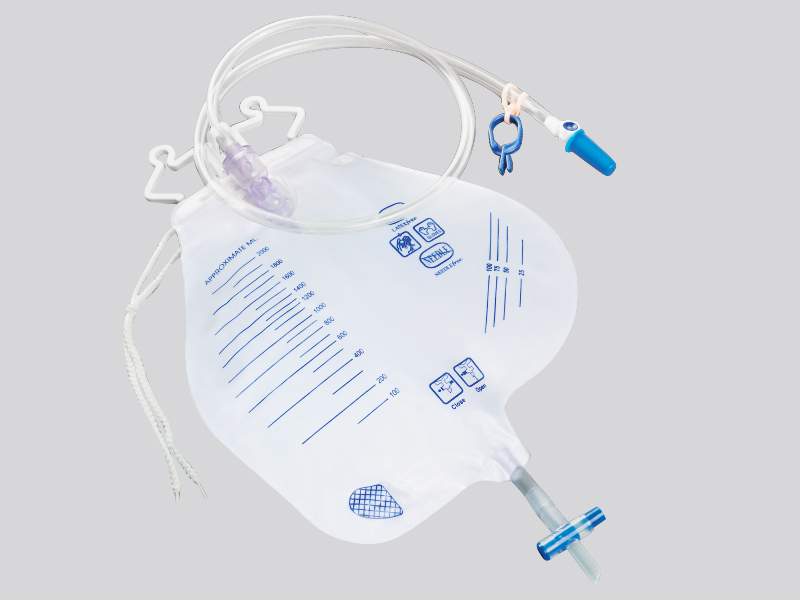
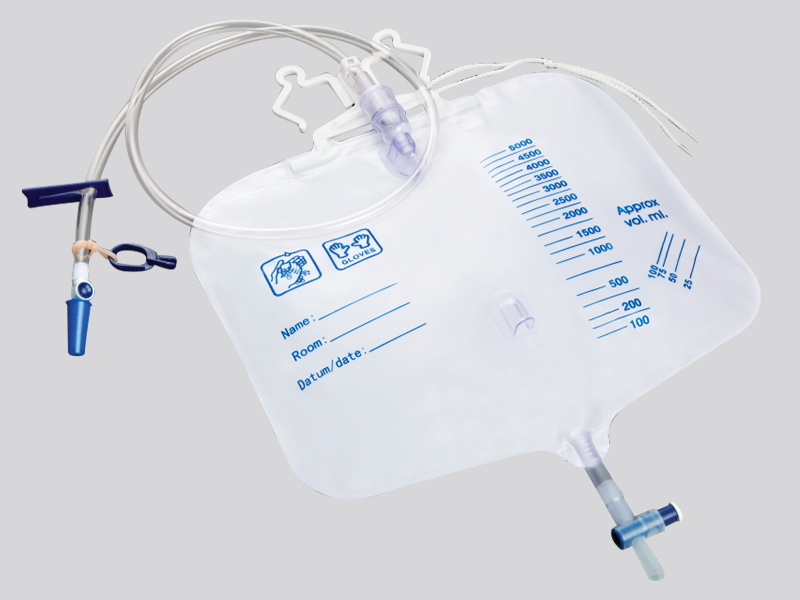
The product is suitable for centralized, high‑frequency professional nursing in hospital wards. Fully sterilized and individually sealed at factory, it is ready‑to‑use upon opening without secondary disinfection. It supports post‑operative drainage in multiple departments including surgery, urology, oncology and ICU, for collection of effusion, hematocele, urine and wound secretions. Clear, uniform graduation marks on the bag enable nurses to directly observe fluid volume and condition for convenient documentation of nursing data, suiting routine ward condition monitoring and record‑keeping. Standard‑size connectors are compatible with most mainstream drainage tubes, catheters and other supporting devices, fitting regular ward‑care equipment and nursing workflows for large numbers of patients.
To satisfy core ward‑care requirements for infection prevention and anti‑reflux, the product features a dedicated anti‑reflux structure. A one‑way flow membrane inside the bag prevents backflow of collected fluid, blocking pipeline contamination caused by body‑fluid reflux and lowering infection risks during nursing. The whole collection system remains relatively sealed to block ingress of external dust and bacteria into tubes and the bag, maintaining sanitary drainage conditions. It meets nursing requirements for post‑operative vulnerable patients and critically‑ill patients, complying with hospital infection‑control protocols.
The product adapts to lightweight, simple long‑term home‑care conditions. Many post‑operative recuperating, bedridden elderly and mobility‑impaired patients require long‑term home drainage care. Home settings lack professional disinfection equipment and standardized operating environments, bringing multiple hazards for reusable devices. Made of lightweight medical‑grade flexible material, the soft, compact single‑use drainage bag takes little storage space at home. Simple replacement procedures allow family members to complete assembly, disassembly and waste‑fluid disposal independently without constant attendance by medical personnel, satisfying self‑care demands for household nursing.
It fits daily‑activity requirements for mobile home‑based care and normal living. An integrated sturdy hanging loop enables secure mounting on hospital beds, mobile nursing stands, wheelchairs and other fixtures to avoid accidental detachment, ideal for patients under home rest or short‑term mobility. The drainage tube is properly sized: it neither restricts limb movement due to excessive shortness nor causes tangling or dragging from excessive length. It accommodates bed‑rest and indoor independent‑activity states and improves convenience for daily nursing.
Manufactured from medical flexible materials, the product delivers broad environmental adaptability to varying temperature and humidity. Resistant to ordinary temperature fluctuations, it avoids hardening and brittleness under low‑temperature conditions and maintains flexibility at ambient temperature with low risk of rupture or leakage. The sealed drain valve closes tightly to prevent waste‑fluid seepage and overflow, keeping tidy conditions both at home and in clinical wards with no odor diffusion or liquid spillage for long‑term continuous use.
Its single‑use design conforms to nursing protocols requiring frequent replacement. After use, it can be properly discarded without cleaning or re‑processing, eliminating bacterial growth from residual body fluids. It complies with strict hospital‑acquired‑infection control standards and meets home‑care expectations for hygiene and simplicity. Available in multiple standard capacities, it supports short‑term post‑operative drainage as well as sustained long‑term bed‑ridden drainage, catering to users with different nursing durations and needs.
Whether for standardized, regulated care in hospital wards or simple daily recuperation at home, this drainage bag fulfills scenario‑specific operational, hygienic and compatibility requirements. Featuring compact structure, reliable sealing performance and versatile adaptability, it covers body‑fluid collection nursing across multiple settings for users of all ages with varied nursing needs, and satisfies consumable‑support demands of modern medical treatment and home‑based care.
Prev:
Postoperative Care Consumables: Structural Featur…
Next:
What body‑fluid collection conditions are disposa…

- Navigation
-

addressNo. 156, Xinyang Avenue, Xinzhuang Town, Changshu, Jiangsu
-

phone0512-52479291/52479292
-

mailboyi_yl@163.com
 Contact us
 Add WeChat
 Telephone