
 Cn
Cn En
En WeChat ID:

The current position:Home > Information dynamic
> Industry Trends
What body‑fluid collection conditions are disposable drainage bags suitable for, given the concurren
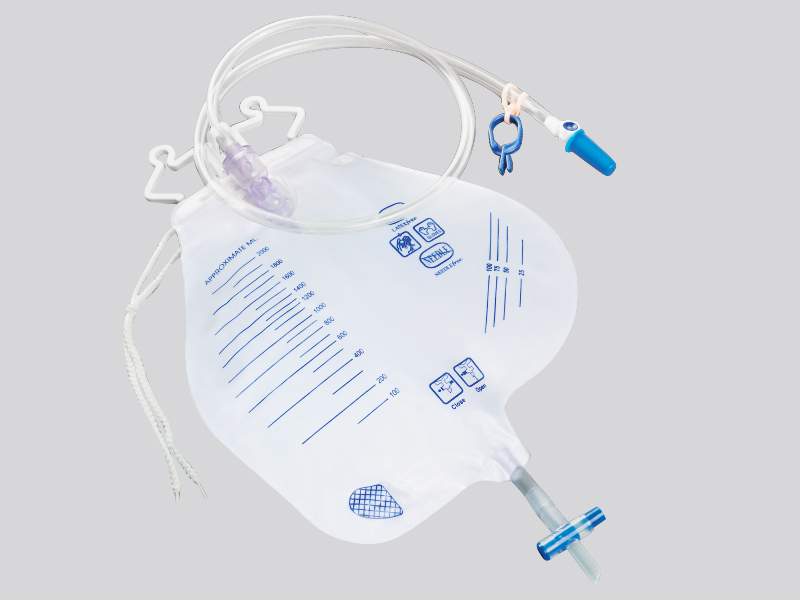
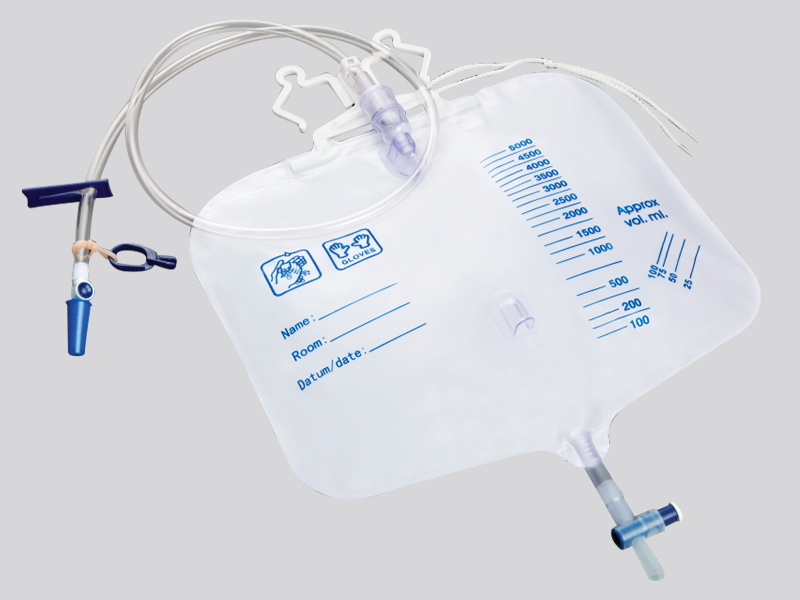
source:www.cnboyi.net | Release time:2026年08月29日Modern medical care consists of two major scenarios: in‑hospital inpatient treatment and home‑based continuing care. Patients in these two settings differ greatly in terms of activity space, nursing operation conditions and duration of body‑fluid drainage. Hospitals are staffed with sufficient nursing personnel to inspect and replace consumables on a regular basis. Home care is mostly performed by family members who lack professional nursing experience, while patients enjoy a wider range of daily activities. General‑purpose drainage bags fail to meet the differentiated requirements of both scenarios. Mass‑produced standard disposable drainage bags are equipped with anti‑reflux structures, multi‑size capacities, convenient drain outlets and stable hanging features. They are suitable for various in‑hospital drainage applications and satisfy full‑cycle body‑fluid collection needs for bed‑rest, mobility and overnight rest at home, forming a closed‑loop consumable solution bridging hospital discharge and home‑based care.
Suitable for static drainage for post‑operative bed‑ridden patients in hospital wards. Patients after surgical or urological operations require long‑term bed rest with limited physical movement, and body fluids are drained continuously by gravity. Fitted with an extended drainage tube, this drainage bag meets standard hanging‑height requirements for hospital beds. The integrated hanging hole enables secure mounting on bedside supports. The bag is always positioned below the drainage wound to ensure natural fluid flow. Clear printed graduation marks allow medical staff to visually read fluid output for monitoring patient physiological indicators. The built‑in anti‑reflux diaphragm prevents collected fluid from flowing back, lowering the risk of wound infection caused by refluxed fluid. It is intended for all‑day static drainage care for post‑operative bed‑ridden ward patients.
Suitable for dynamic drainage during intra‑hospital patient transfer and wheelchair transportation. Inpatients often need inter‑department examinations such as CT and radiography, which involve bed transfer and short‑distance wheelchair movement with changing positions. Bag shaking and tube kinking during transport may cause fluid reflux and leakage. The flexible drainage tube tolerates minor bending without blockage. Uniform sealing testing ensures no joint seepage even under shaking conditions. Unaffected by position tilting, the anti‑reflux structure keeps blocking backflow, enabling uninterrupted body‑fluid collection during patient transfer for examinations within the hospital.
Suitable for static drainage in long‑term bed‑ridden home care. Some patients with stroke sequelae, mobility impairment or post‑operative recovery require prolonged bed‑ridden care at home after discharge, and their family caregivers have limited professional nursing skills. Featuring simple plug‑in connectors, the drainage bag allows straightforward connection to urinary catheters for easy consumable replacement by family members. The external bottom drain valve enables waste‑fluid discharge without tube disconnection, reducing bacterial invasion risks from repeated fitting‑and‑unfitting. Individually packed under sterile standards, it is ready‑to‑use upon opening with no extra disinfection steps, matching simple, low‑skill home‑care requirements.
Suitable for portable drainage for patients with limited mobility at home. Patients in late‑stage recovery do not need complete bed rest and may walk slowly or sit for rest indoors. Compact lightweight small‑volume drainage bags can be secured to the outer thigh with wearable straps in an ergonomic orientation without restricting limb movement. The low‑profile bag fits inside clothing to reduce discomfort from exposed medical accessories, supporting uninterrupted body‑fluid collection during daily household activities.
Suitable for long‑duration unattended overnight drainage. Whether during night‑shift gaps in wards or overnight sleep at home, frequent consumable replacement should be avoided so as not to disturb patients. Large‑capacity drainage bags hold overnight fluid output and extend replacement intervals. Fluid passages remain unobstructed when patients lie flat or turn over during sleep, preventing fluid accumulation blockage and backflow for long‑term unattended overnight drainage.
Suitable for auxiliary exudate collection from superficial wounds. Beyond routine urine drainage, this drainage bag can be used with matching tube accessories to collect waste exudate from post‑operative wound surfaces. The closed‑collection design isolates wound exudate from ambient air to minimize bacterial exposure to wounds. Waste fluid is contained centrally to maintain cleanliness in both hospital‑ward and home‑care environments. It serves dual exudate‑collection scenarios: in‑hospital wound‑dressing monitoring and routine home wound management.
Prev:
Ward and Home‑Based Care: What Usage Conditions A…
Next:
What role does a disposable enema bag play in pre…

- Navigation
-

addressNo. 156, Xinyang Avenue, Xinzhuang Town, Changshu, Jiangsu
-

phone0512-52479291/52479292
-

mailboyi_yl@163.com
 Contact us
 Add WeChat
 Telephone