
 Cn
Cn En
En WeChat ID:

The current position:Home > Information dynamic
> Industry Trends
What is the practicality of disposable drainage bags
source:www.cnboyi.net | Release time:2025年12月22日1、 Clinical scenario: Core nursing consumables to ensure diagnosis and treatment safety
1. Infection prevention and control (core value)
Disposable use avoids the risk of cross infection caused by repeated disinfection, especially suitable for postoperative drainage (such as abdominal, thoracic, and urinary system surgery), intensive care, and nursing of infectious disease patients. Traditional reusable drainage bags require strict sterilization, which can easily lead to retrograde infection if not disinfected properly. However, disposable drainage bags are sterile from the factory and can be used immediately after opening, greatly reducing the incidence of nosocomial infections.
2. Convenient operation, reducing the burden on medical staff
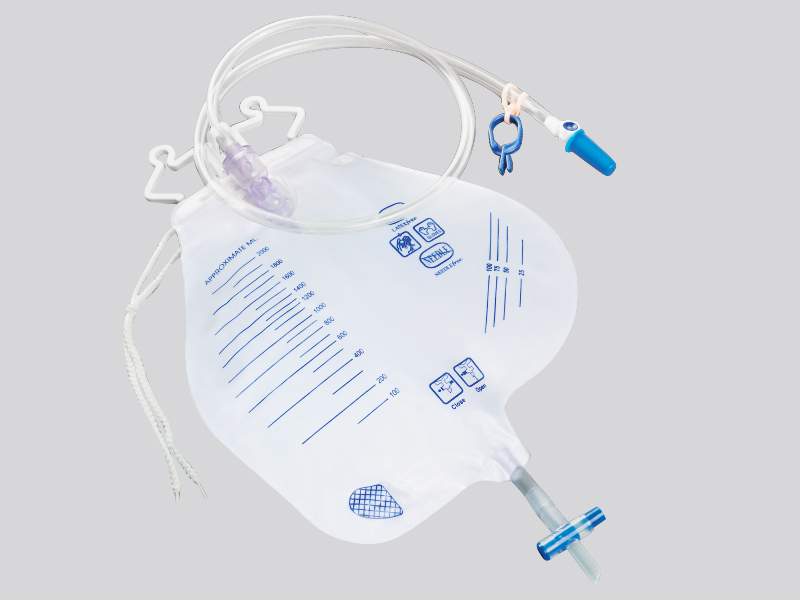
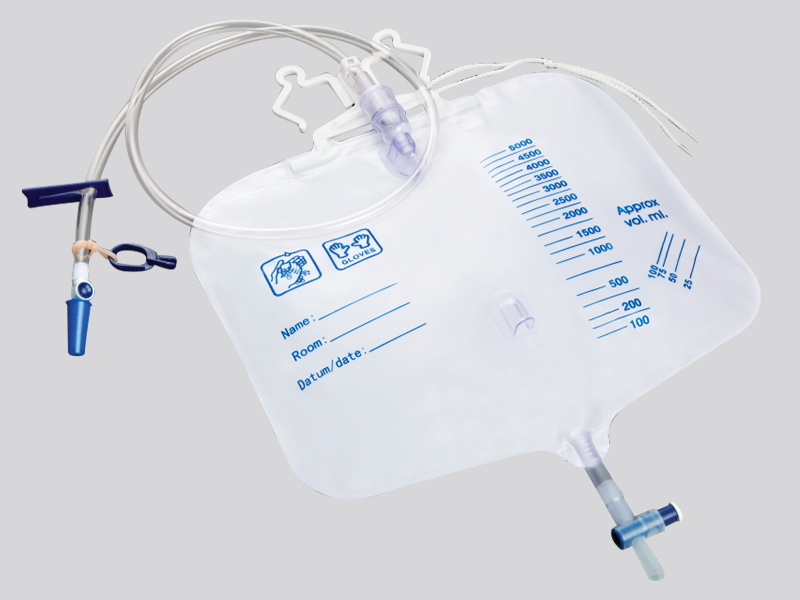
Equipped with anti backflow devices (such as anti backflow valves and balloons), it can prevent infection caused by backflow of drainage fluid, without the need for frequent checks by medical staff;
Equipped with spiral interface/puncture interface, it can quickly connect with urinary catheter and drainage tube, with good sealing and less leakage;
The bag body is marked with capacity scales (such as 500mL, 1000mL, 2000mL) to facilitate recording of drainage volume and assist in disease diagnosis.
3. Adapt to the needs of multiple departments
Urology: matching with urinary catheter for patients with urinary retention;
Surgery: used for postoperative wound exudate and drainage of abdominal fluid accumulation;
Oncology department: used for continuous drainage of cancerous pleural and ascites, some models come with drainage switches that can control flow rate as needed.
2、 Family scenario: a convenient choice for home care
1. Suitable for people who are bedridden or have limited mobility for a long time
For elderly patients with urinary incontinence, paralysis, and postoperative recovery, disposable drainage bags do not require cleaning and disinfection. Family members can easily replace them, avoiding the hygiene hazards of poor cleaning of traditional drainage bags.
2. Strong portability, does not affect daily activities
Small drainage bags (such as 300mL) are compact in size and can be fixed on clothing, making them suitable for short distance activities for patients; A large capacity drainage bag (such as 2000mL) is suitable for nighttime use, reducing the number of nighttime replacements and improving the quality of patient sleep.
3. Controllable cost and high cost-effectiveness
The unit price is low (ranging from a few yuan to over ten yuan), and it belongs to the scope of medical insurance reimbursement for consumables. The long-term economic burden is small, and compared to reusable drainage bags, it saves additional costs of sterilization and maintenance.
3、 Practical supplementary advantages and precautions
1. Additional practical design
Leak proof design: The bag body is made of medical grade PVC/non-woven fabric material, which has strong toughness and is not easily damaged; There is a sealing ring at the interface to prevent drainage fluid from leaking and contaminating clothing and bedding;
Exhaust function: Some models are equipped with exhaust holes, which can discharge the gas inside the bag, avoiding the expansion of the drainage bag and affecting the drainage effect;
Tear design: After the drainage bag is filled with liquid, it can be quickly emptied or discarded through the tear opening, with simple operation.
2. Limitations (not affecting core practicality)
Non reusable, belongs to consumables, needs to be replaced regularly (clinical recommendation is to replace once every 24-72 hours, and can be adjusted according to the drainage volume at home);
Ordinary models have poor low temperature resistance. When using in winter, it is important to keep warm and avoid the drainage fluid from solidifying and blocking the pipeline.
Prev:
What role does a disposable enema bag play in pre…
Next:
How to choose a suitable disposable feeding bag
【Related articles】

- Navigation
-

addressNo. 156, Xinyang Avenue, Xinzhuang Town, Changshu, Jiangsu
-

phone0512-52479291/52479292
-

mailboyi_yl@163.com
 Contact us
 Add WeChat
 Telephone