
 Cn
Cn En
En WeChat ID:

The current position:Home > Information dynamic
> Industry Trends
Why is it necessary to use disposable enema bags in infectious disease hospitals
source:www.cnboyi.net | Release time:2025年11月24日1、 Core requirement: Block cross infection (the most critical reason)
To avoid cross infection among patients, most patients in infectious disease hospitals carry infectious pathogens such as hepatitis B, hepatitis C, AIDS, tuberculosis, COVID-19, etc. The enema operation requires direct contact with patients' intestinal secretions and feces (containing a large number of pathogens). Disposable enema bags are designed for single use by individuals. After use, they should be disposed of immediately in accordance with medical waste regulations to prevent the spread of pathogens caused by poor cleaning and disinfection of reusable equipment (such as viruses in feces infecting other patients through contaminated equipment), and to cut off cross infection pathways in the process.
The cleaning, disinfection, and sterilization process of reusable enema bags to protect the occupational safety of medical staff requires direct contact with pollutants, increasing the risk of skin and mucous membrane contact with pathogens (such as glove damage or poor disinfection during operation). Disposable enema bags do not require manual cleaning after use, reducing the frequency of contact between medical staff and infectious waste, lowering occupational exposure risks, and complying with the protective principle of "reducing contact with infections" in infectious disease hospitals.
2、 Special requirements for adapting to the diagnosis and treatment of infectious diseases
The relevant regulations clearly require that medical devices that come into contact with patients' bodily fluids, secretions, and excreta should prioritize the use of disposable items or undergo strict sterilization (to meet the "sterilization level" standard). Enema bags are high-risk contact devices, and disposable use can directly meet the requirements of "zero reuse and zero residue" for nosocomial infections, avoiding nosocomial infections caused by substandard sterilization of reusable devices (such as incomplete killing of spore pathogens).
Adapting to the operating scenarios of isolation wards, infectious disease patients are often located in isolation wards (such as negative pressure wards), and the transportation, cleaning, and disinfection of reusable equipment require additional protective resources (such as dedicated transportation channels, disinfection equipment, and protective personnel), which can easily cause environmental cross contamination during transportation. Disposable enema bags can be used and disposed of as needed, without the need for cross regional transportation, simplifying the operation process of isolation wards and reducing environmental disinfection pressure.
3、 Balancing practicality and safety
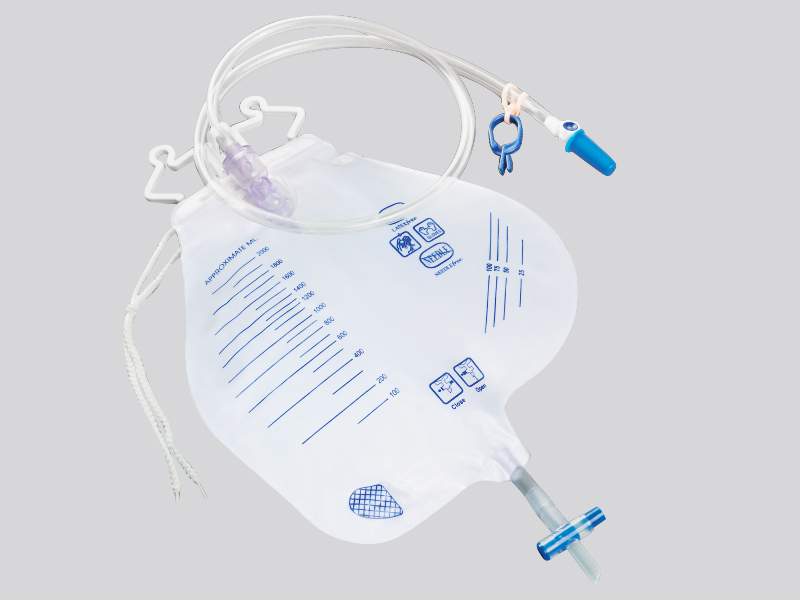
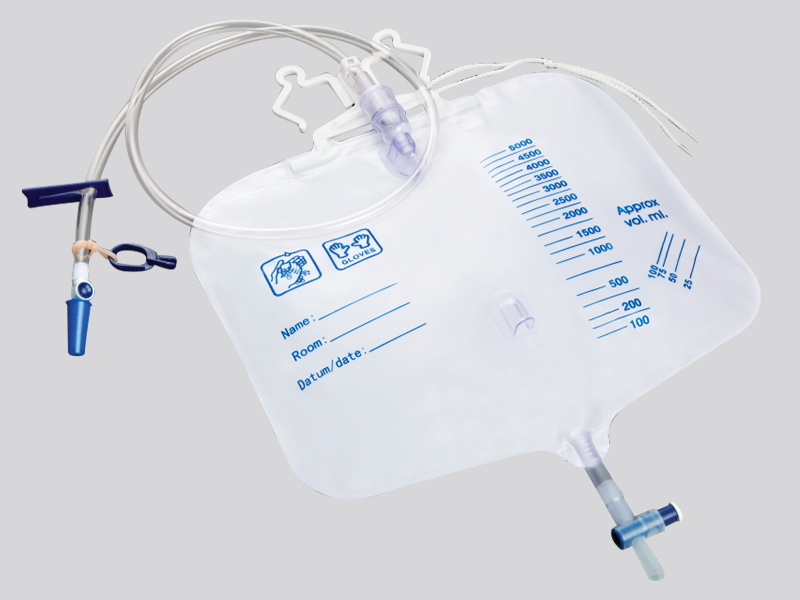
Simplify operation and improve diagnosis and treatment efficiency. Disposable enema bags are usually pre assembled designs (including catheters, enema heads, drainage bags, and scale markings), which can be used immediately without additional assembly or disinfection preparation. They are suitable for high-frequency operation scenarios such as emergency departments and bulk patient diagnosis and treatment in infectious disease hospitals, saving medical staff time and improving diagnosis and treatment efficiency.
To avoid the risk of residual disinfection, reusable enema bags should be treated with chlorine containing disinfectants, high-temperature sterilization, and other methods. If the disinfection parameters are not up to standard (such as insufficient disinfectant concentration or sterilization temperature), residual disinfectants or pathogens may remain; The disposable enema bag is sterile produced by the factory (ethylene oxide sterilization), and is in a sterile state before opening. It is directly connected during use to avoid damage to the patient's intestinal mucosa caused by disinfection residues (especially for infectious disease patients who may have intestinal mucosal damage).
There are various specifications of disposable enema bags that can adapt to individual differences in patients (such as different capacities, catheter lengths, and types of enema heads), and can be flexibly selected according to the patient's condition (such as child, degree of constipation, and type of intestinal infection). Single use can avoid the risk of cross adaptation caused by mismatched enema head sizes (such as intestinal injury caused by mismatched enema head sizes).
Prev:
How is the sealing performance of disposable prec…
Next:
What should be noted when using disposable precis…
【Related articles】

- Navigation
-

addressNo. 156, Xinyang Avenue, Xinzhuang Town, Changshu, Jiangsu
-

phone0512-52479291/52479292
-

mailboyi_yl@163.com
 Contact us
 Add WeChat
 Telephone